
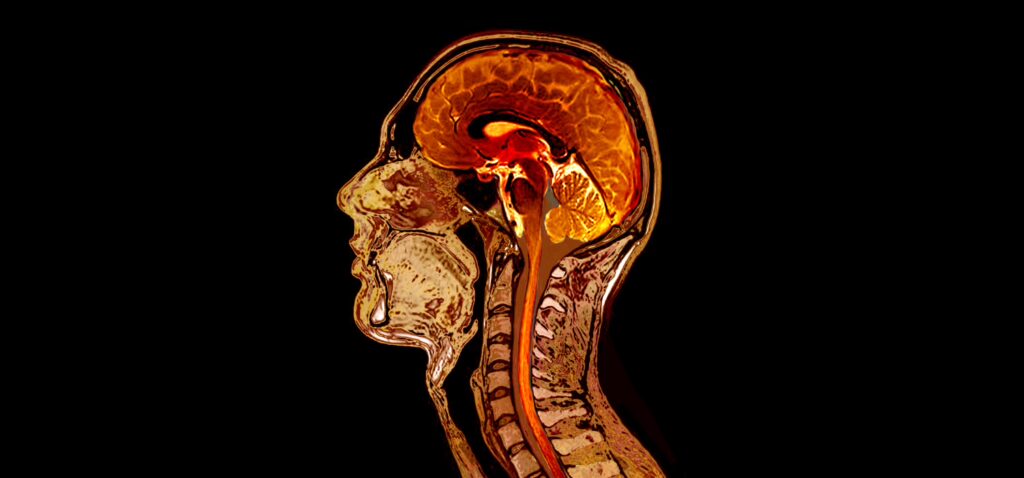
Whole-body MRI uses magnetic resonance imaging to produce detailed images of the head, neck, chest, abdomen, pelvis, and musculoskeletal system in one coordinated sitting. Unlike CT, the scan involves no ionizing radiation, which makes it a strong option for exploratory or repeat imaging in a preventative context. It can identify a wide range of structural abnormalities, masses, and anatomical variants across organ systems.
Whole-body MRI is included at the highest tier of the Longevity program. Images are interpreted by a radiologist with experience in screening protocols, and any findings are reviewed with you by your longevity physician. Not every finding indicates a problem (incidental findings are common in this kind of screening), so the interpretation step is as important as the scan itself.
